
How Fleets Can ReduceCargo Theft Duringthe Holiday Season
As holiday shipping demand increases, drivers, dispatchers, and distribution centers are under pressure to move quickly. At the same time, cargo theft activity also rises during this period.
Today, many fleets face two related but very different challenges: straight cargo theft and strategic cargo theft.
Straight Cargo Theft and Strategic Cargo Theft
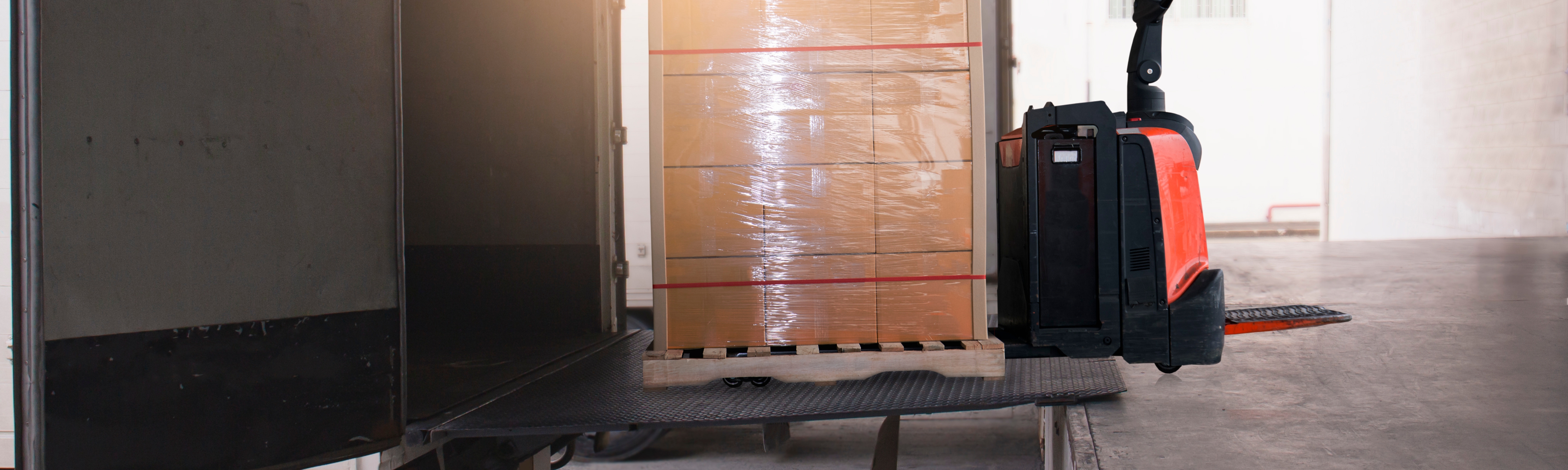
Straight cargo theft is the traditional crime many fleets already recognize: thieves physically steal freight from a trailer, a yard, or truck during temporary stops. These incidents often involve unattended equipment, limited visibility in parking areas, and quick opportunities for loss.
Strategic cargo theft is far more complex. Instead of breaking in, criminals use deception and false credentials to get freight released directly to them. This includes fraudulent pickups, falsified paperwork, and schemes that exploit busy distribution environments. Rather than forcing access, they convince someone to hand the load over.
Law-enforcement reporting and federal public-safety guidance point to a steady rise in deception-based schemes across supply chains. Holiday shipping volume only accelerates this trend. Under pressure to move freight quickly, carriers and shippers sometimes reduce verification steps, creating the exact opportunity strategic thieves rely on.
Even with the increasing sophistication of strategic methods, straight physical theft remains the larger share of total cargo theft nationally. That reality is easily overlooked as new schemes gain attention, but physical theft continues to present a substantial risk; especially when equipment is unattended, parked overnight, or left in areas with limited visibility.
How fleets can reduce risk
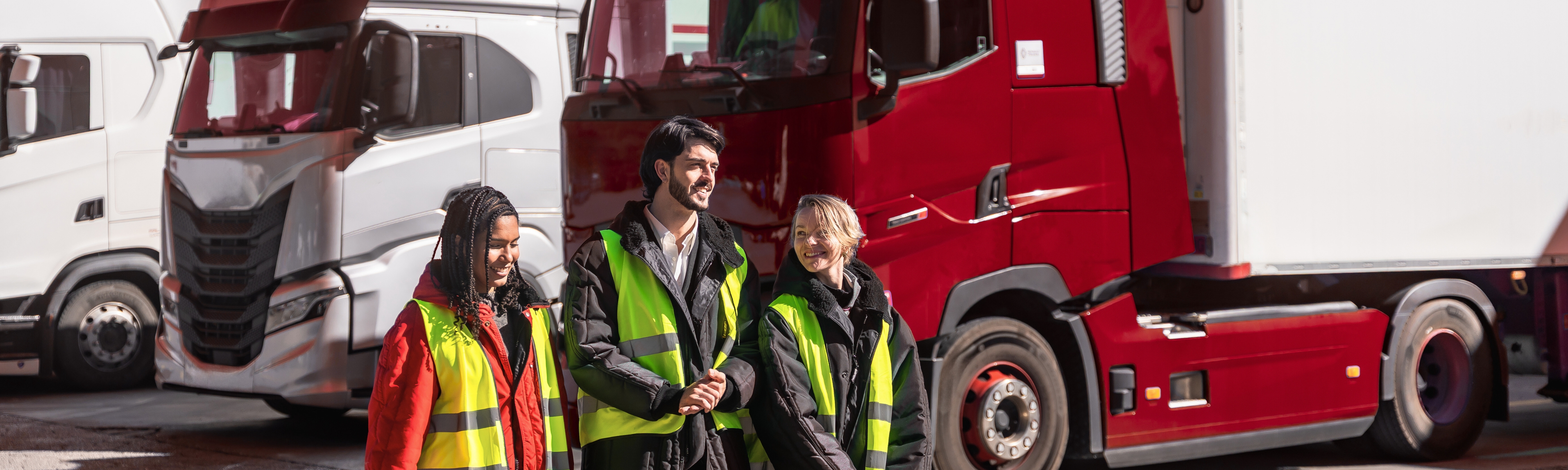
The holiday season's pressure is predictable, which means fleets have an opportunity to prepare long before theft occurs. The most effective response is not speed. It is visibility and deliberate verification at the exact moment freight changes hands. Many theft incidents begin with uncertainty rather than force, so removing uncertainty is often the most important defense.
The first step is procedural. Slowing down just long enough to verify driver identity, confirm load information, and review documentation makes it more difficult for criminals to rely on deception. These actions help drivers, dispatch, and shipping personnel understand whether a situation feels routine or unusual. Even a brief pause at pickup can prevent weeks of investigation after freight disappears.
The second step is operational. This includes confirming who is receiving the load, checking the information presented, and paying attention to any irregularities at the pickup location. It also includes a clear chain of custody when equipment is unattended or when multiple partners are involved in the process. These operational practices give fleets more control and more time to respond if something does not align with expectations.
The third step is supported by technology. Video and asset tracking systems provide awareness where the human eye cannot, especially around unattended equipment or crowded pickup points. Interior and exterior cameras document the handoff, monitor activity around the vehicle, and create a reliable record that supports both prevention and recovery. Real-time video and location confirmation also provide dispatch with the information they need to make decisions when a situation feels uncertain.
How Safety Vision can help

Safety Vision technology is here to improve visibility during all parts of the journey but especially during the vulnerable ones. Our camera systems help document who receives the load, provide situational awareness when a vehicle is stationary, and support fleets when external circumstances change without warning. When operational procedures and video visibility work together, fleets gain a clearer view of what is happening and more confidence in the decisions they make.
Final thoughts

Cargo theft methods may continue to evolve, but fleets do not need to wait for the next holiday season to prepare. The most reliable strategy is to strengthen visibility, treat verification as a standard operating step, and rely on tools that provide evidence when circumstances are unclear. These actions give fleets more information, more control, and a stronger foundation for protecting goods and drivers throughout the busiest time of the year.

Discover More

COPYRIGHT © 2026 SAFETY VISION,LLC. ALL RIGHTS RESERVED.
PRIVACY POLICY | TERMS OF USE | ACCESSIBILITY | COOKIE PREFERENCES