
Why Timestamped MobileVideo Is the Standard ofProof in Cargo Theft & Shipper Disputes
THE PROBLEM: A $1 BILLION BLIND SPOT
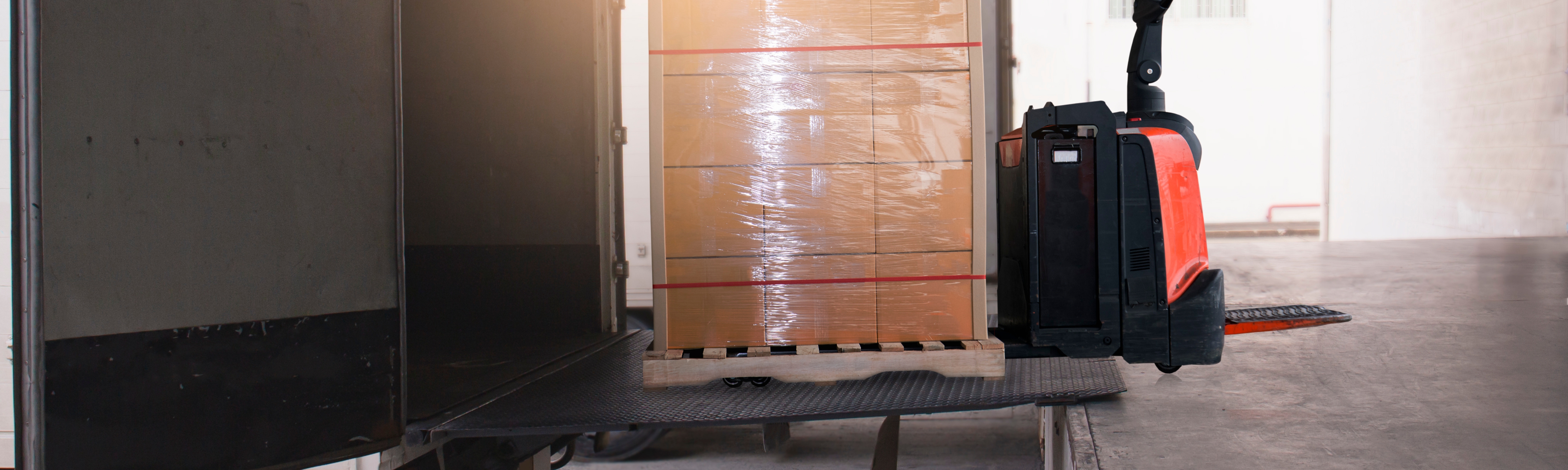
Cargo theft costs the U.S. trucking and logistics industry more than $1 billion annually in reported losses. That number almost certainly understates the real damage. Many incidents go unreported and carriers absorb the loss quietly rather than risk shipper relationships or insurance scrutiny. Industry analysts who track unreported and underinsured losses put the true figure at three to five times the official tally.
The theft profile has also changed. Smash-and-grab crimes still happen, but organized cargo theft rings have moved toward strategic methods: fictitious pickups using fraudulent carrier identities, identity-spoofed load board fraud, and inside jobs at distribution facilities. These schemes are planned, not opportunistic, and they often target the exact high-value commodities, like pharmaceuticals, electronics, and consumer goods, where per-load exposure runs into the hundreds of thousands of dollars.
| $1B+ | Annual Cargo Theft Losses | Reported U.S. losses per year — real totals estimated 3-5x higher when unreported and underinsured incidents are included (CargoNet / NICB). |
| 79% | Rise in Strategic Theft | Increase in organized, non-force cargo theft over five years. Fictitious pickups and identity fraud have overtaken lot break-ins as the dominant theft method. |
| $214K | Average Loss Per Incident | High-value loads in pharma, electronics, and food & beverage face the largest per-event exposure. Recovery without documentation is rare. |
The secondary problem is often worse than the theft itself: the liability dispute. When cargo arrives short or damaged, or disappears entirely, shippers hold carriers responsible by default. Without timestamped documentation of what was loaded, when doors were sealed, and what happened at every custody transfer, the carrier has nothing to offer but an explanation. That rarely wins.
The Documentation Gap GPS tracking tells you where a trailer went. It cannot tell you who opened the doors, whether the load was intact at departure, or what condition the cargo was in at delivery. That evidentiary gap is where most shipper disputes are decided — and where carriers with video documentation have a decisive advantage over those without it. |
WHY THE INDUSTRY HAS MOVED TO VIDEO AS THE STANDARD OF PROOF
Ten years ago, video documentation on commercial trucks was a differentiator. Today it is increasingly a baseline expectation and written into carrier qualification standards, insurance underwriting criteria, and regulatory compliance frameworks. The shift happened for a simple reason: nothing else produces the same quality of evidence at the moment it matters most.
Major shippers and 3PLs now routinely ask carriers whether their vehicles are equipped with multi-camera systems and whether footage is remotely accessible. Insurance underwriters in the cargo sector have begun tiering premiums based on documented monitoring capability. In food safety (FSMA) and pharmaceutical distribution (DSCSA), video is accepted as corroborating evidence in chain-of-custody audits. Carriers that operate without it are being asked to prove custody the hard way, with paperwork and memory, against claimants who have learned to use that gap.
Theft Deterrence • Visible cameras reduce opportunistic theft • Timestamped footage verifies seal integrity at departure • Documented lot activity supports law enforcement investigation • Shortens time-to-recovery when incidents occur | Dispute Resolution • Load condition documented at origin and delivery • Custody transfer records counter false shortage claims • Driver behavior evidence for negligence disputes • Clip export for claims and legal proceedings | Insurance & Compliance • Evidence base for premium negotiation • FSMA / DSCSA corroborating documentation • Carrier qualification documentation for 3PLs • Faster claims resolution with video-backed submissions |
WHAT A DOCUMENTED CUSTODY RECORD ACTUALLY REQUIRES
Not all video systems produce the same evidentiary record. A single forward-facing dash cam captures a driver's perspective. It does not document the cargo. A full chain-of-custody video system requires coverage at every custody handoff point in the load cycle. There are three.
1. Exterior & Dock Coverage — The Departure Record
Cameras positioned at the rear and sides of the trailer record every door opening and closing event at the dock. Timestamped footage identifies who accessed the trailer, when it was sealed, and the physical condition of the cargo bay at load. This is the legal anchor of a chain-of-custody record, the point from which carrier responsibility begins, and the first piece of evidence in any theft investigation or shortage claim.
2. Cargo-Bay Coverage — The Interior Record
Interior cargo-bay cameras provide visibility into the trailer throughout transit. When a load is alleged to have been damaged, pilfered, or mishandled, interior footage answers questions that no other technology can: Was the load intact at departure? When did the breach occur? Was the door opened en route without authorization? For pharmaceuticals, food products, and high-value consumer goods, cargo-bay documentation is no longer optional, it is increasingly required by shipper qualification standards.
3. Cab Coverage — The Driver Record
In-cab and forward-facing cameras capture driver behavior at stops, fuel points, and delivery locations. This layer of documentation protects carriers against claims of negligent handling and provides behavioral data for driver coaching and accident prevention. In organized theft scenarios where driver collusion is suspected, cab footage provides the investigative baseline for internal review and law enforcement cooperation.
Remote Access Changes the Recovery Equation The value of video in a theft investigation is time-sensitive. A fleet that must wait for a vehicle to return to the yard before retrieving footage loses hours or days during which cargo can be moved, repackaged, and sold. Systems with LTE or Wi-Fi connectivity allow investigators, insurers, and law enforcement to access footage remotely within hours of an incident report. That speed difference often determines whether a load is recovered or written off. |
EVALUATING YOUR CURRENT CUSTODY DOCUMENTATION POSTURE

Fleet safety and logistics leaders should assess their documentation capability against three practical questions. The answers determine where their actual exposure lies.
- • Does your camera coverage address all three custody zones; exterior dock access, cargo bay interior, and cab behavior, with timestamped, retrievable footage for each?
- • Can you produce a documented chain-of-custody record on demand for a shipper, insurer, or law enforcement investigator within 24 hours of an incident?
- • Are your systems configured for remote clip access, or does retrieval require the vehicle to return to a yard?
If the answer to any of these is no, the gap between current capability and industry expectation is real, and growing. High-value shipper networks and cargo insurance underwriters are not waiting for carriers to catch up.
WITHOUT VIDEO DOCUMENTATION
| WITH FULL VIDEO DOCUMENTATION
|
ABOUT THIS BRIEF
This brief is part of the Fleet Safety Intelligence industry series, examining operational risk, technology adoption, and regulatory trends affecting commercial fleet operators. Topics are selected based on emerging industry data, carrier feedback, and documented shifts in shipper and insurer expectations.


COPYRIGHT © 2026 SAFETY VISION,LLC. ALL RIGHTS RESERVED.
PRIVACY POLICY | TERMS OF USE | ACCESSIBILITY | COOKIE PREFERENCES